The Power of Social Media: Connecting the World in the Digital Age
In today’s world, social media is no longer just a tool — it’s a lifestyle. From sharing personal stories to building global brands, social media platforms have transformed the way people communicate, learn, and do business. What began as a simple way to connect with friends has evolved into one of the most powerful forces shaping culture, politics, and the economy.
The influence of social media is undeniable. It has changed how we think, how we consume information, and how we interact with the world around us. But with great power comes great responsibility — and understanding how to use social media wisely has become more important than ever.
The Evolution of Social Media
The story of social media began in the early 2000s with platforms like MySpace and Friendster, followed by Facebook, Twitter (now X), and LinkedIn. Over time, newer platforms such as Instagram, Snapchat, TikTok, and YouTube have taken center stage, offering unique ways for users to express themselves through photos, videos, and live interactions.
What makes social media so powerful is its ability to adapt. Every new generation brings new expectations — and social platforms continue to evolve to meet them. Whether it’s short-form video, live streaming, or virtual reality experiences, social media constantly reinvents itself to stay relevant in an ever-changing digital landscape.
See also: How to Choose the Perfect IPTV Subscription for Your Family
A Global Network of Connection
At its heart, social media is about connection. It allows people from different cultures, languages, and backgrounds to interact in real time. A person in London can share ideas with someone in Tokyo instantly; a small business in Pakistan can reach customers in the United States within minutes.
This level of connectivity has broken down barriers that once seemed impossible. It has enabled individuals to form online communities around shared interests — from fitness and fashion to gaming and education. In many ways, social media has made the world feel smaller, more accessible, and more human.
Social Media and Business
For businesses, social media has opened up endless opportunities. It’s no longer enough to have a physical storefront or a traditional website — a strong social media presence is now essential for success. Platforms like Instagram, Facebook, LinkedIn, and TikTok allow brands to engage directly with customers, build loyalty, and even drive sales through targeted ads and influencer partnerships.
Small businesses, in particular, have benefited from this revolution. With minimal investment, they can reach global audiences, showcase their products, and compete with larger brands. Social media marketing has leveled the playing field, giving creativity and authenticity more power than big advertising budgets.
All human beings should try to learn before they die what they are running from, and to, and why. I think, therefore I am. The eyes are not responsible when the mind does the seeing.
Moreover, social media analytics provide valuable insights into customer behavior — helping businesses understand what works, what doesn’t, and how to improve. In the digital era, data is the new currency, and social media is where that data comes to life.
The Role of Influencers
One of the biggest shifts in modern marketing is the rise of influencers. These are individuals who build trust and credibility within specific niches and use their platforms to promote products or ideas. Unlike traditional celebrities, influencers often feel more relatable — they engage with their followers directly and create genuine connections.
Influencer marketing has become one of the most effective strategies for brands. People are more likely to buy a product recommended by someone they trust rather than a faceless advertisement. However, this has also raised ethical questions about transparency, honesty, and authenticity in promotions.
The Dark Side of Social Media
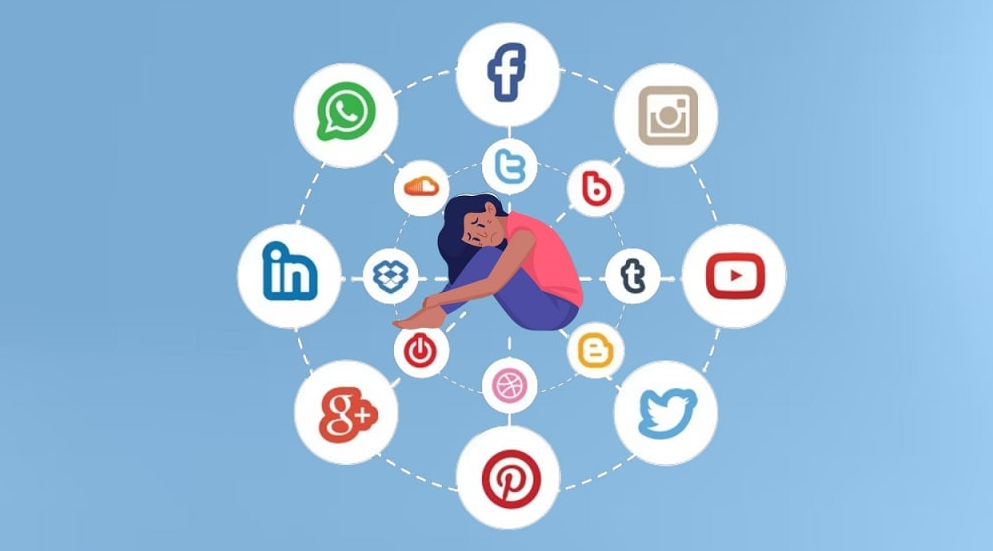
While social media brings people together, it also has its downsides. Issues like misinformation, cyberbullying, and addiction have become major concerns. The pressure to maintain a perfect image online can lead to stress and low self-esteem, especially among younger users.
Privacy is another growing issue. As users share more of their lives online, data security becomes critical. Companies must take responsibility to protect user information, and individuals must be mindful of what they post.
Another challenge is the spread of fake news and online manipulation. With millions of posts shared every minute, distinguishing truth from falsehood can be difficult. This has serious implications for politics, public health, and social trust.
Despite these challenges, social media remains a powerful tool — and how we use it determines its impact. Awareness, digital literacy, and ethical use can help ensure social media remains a force for good.
Social Media and Social Change
Social media has proven to be more than just entertainment — it’s also a platform for change. From political movements to humanitarian campaigns, people have used social media to raise awareness, organize protests, and amplify voices that were once unheard.
Hashtags like #MeToo, #BlackLivesMatter, and #ClimateChange have united millions around causes that matter. In many ways, social media has become the modern-day public square — a space where everyone, regardless of status, can share their message with the world.
This ability to drive collective action is one of social media’s greatest strengths. It empowers ordinary people to make a difference, spread positivity, and hold those in power accountable.
The Future of Social Media
As technology continues to advance, the future of social media looks exciting — and complex. Artificial intelligence, augmented reality, and virtual reality are already shaping the next generation of digital experiences. We may soon interact in immersive “metaverse” spaces where physical and virtual worlds blend seamlessly.
At the same time, there’s a growing push for authenticity. Users are increasingly drawn to real, unfiltered content over perfectly polished images. The future of social media will likely balance high-tech innovation with a return to genuine human connection.
Conclusion: Using Social Media Wisely
Social media is one of the most powerful inventions of the 21st century. It has changed how we communicate, learn, work, and build relationships. It gives everyone a voice — and that’s both its beauty and its challenge.
The key is not to reject social media, but to use it with purpose. When used wisely, it can educate, inspire, and connect. It can promote businesses, build communities, and spread kindness across borders.
In the end, social media is a mirror of society. What we choose to share, create, and support shapes the kind of world we live in. If we focus on positivity, honesty, and empathy, social media can continue to be one of humanity’s greatest tools for connection and progress.