Boosting Crop Growth with Effective Fertilizer Practices
Introduction
Fertilizer selection is a critical factor in modern agriculture. Providing crops with the right nutrients ensures healthy growth, improved yield, and enhanced quality. While many fertilizers are available on the market, understanding their specific functions and proper usage is essential for optimal results.
The agriculture inputs and fertilizer manufacturing industry plays a crucial role in educating farmers on effective nutrient solutions and sustainable soil management practices.
The Role of Nutrients in Crop Development
Plants require both macronutrients and micronutrients to grow and produce quality yields. Nitrogen promotes leafy growth, phosphorus supports root and flower development, and potassium strengthens overall plant health. Micronutrients, including calcium, magnesium, and iron, are essential for proper plant metabolism and fruit quality.
Fertilizers provide these nutrients in a form that plants can readily absorb. By understanding nutrient requirements, farmers can tailor applications to meet crop-specific needs and maximize productivity.
Advantages of Using Organic Fertilizers
Organic fertilizers are derived from natural sources and offer several benefits compared to synthetic alternatives:
- Gradual nutrient release supports steady plant growth
- Enhances soil structure and aeration
- Promotes beneficial microbial activity
- Reduces environmental risks associated with chemical runoff
These qualities make organic fertilizers a preferred choice for sustainable and efficient farming.
Understanding Specific Fertilizer Options
Different fertilizers serve unique purposes based on their nutrient composition and release patterns. Choosing the right fertilizer involves evaluating crop requirements, soil type, and growth stage.
Nitrogen-Rich Fertilizers
Nitrogen is vital for vegetative growth. Fertilizers high in nitrogen promote strong leaves and stems, which support higher yields and better crop resilience.
Phosphorus-Containing Fertilizers
Phosphorus blood meal development and flowering. Fertilizers rich in phosphorus are particularly important during early crop growth and fruit set.
Balanced Fertilizers
Balanced fertilizers provide an appropriate mix of nitrogen, phosphorus, and potassium. These products ensure overall plant health and support all stages of crop development.
See also: IlFotoAlbum: Creating Custom Photo Books and Gifts for Every Special Moment
Integration with Soil Management Practices
Effective fertilizer use requires integration with soil management strategies. Healthy soil maximizes nutrient availability and enhances plant growth.
Soil Testing
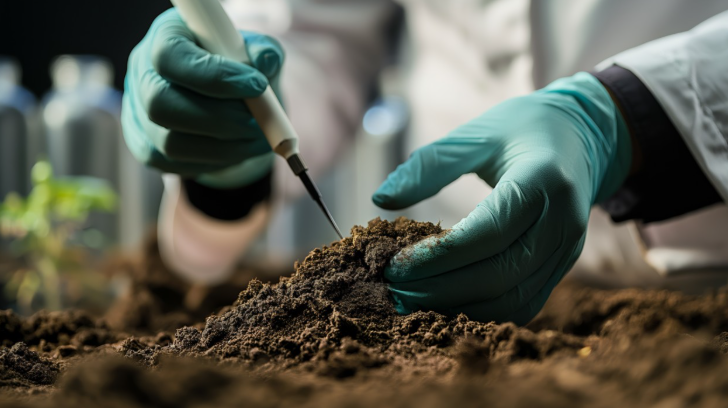
Conducting soil tests helps identify nutrient deficiencies and allows precise fertilizer application. This approach prevents overuse and ensures efficient nutrient delivery.
Organic Matter Addition
Adding compost, green manure, or crop residues improves soil structure, water retention, and microbial activity. Combining organic matter with fertilizers enhances soil fertility and crop performance.
Crop Rotation
Rotating crops helps prevent nutrient depletion, reduces pest and disease pressure, and supports soil health. This practice complements fertilizer use for sustainable agriculture.
Application Techniques for Optimal Results
Proper fertilizer application maximizes efficiency and minimizes waste. Techniques include:
- Incorporating fertilizers into the soil for even nutrient distribution
- Applying fertilizers at recommended growth stages
- Using precision tools to match fertilizer application to plant needs
Following these practices ensures crops receive the nutrients required for healthy development.
Environmental and Economic Benefits
Responsible fertilizer use provides multiple advantages. Efficient nutrient application reduces chemical runoff, protects water quality, and minimizes environmental impact. Farmers benefit economically through lower input costs, higher yields, and improved produce quality.
Role of Fertilizer Manufacturers
Fertilizer manufacturers support farmers by developing high-quality nutrient solutions and providing guidance on application methods. Research and innovation focus on improving fertilizer efficiency, compatibility with various soil types, and long-term sustainability.
Education and technical support from manufacturers help farmers achieve better crop performance while maintaining soil health.
Long-Term Benefits for Farmers
Integrating fertilizers with comprehensive soil management practices offers several long-term benefits:
- Consistent crop yields and improved produce quality
- Enhanced soil fertility and structure
- Efficient nutrient utilization and reduced costs
- Sustainable farming practices that protect the environment
Farmers who adopt informed fertilizer strategies ensure both immediate productivity and long-term soil viability.
Conclusion
Effective fertilizer use is essential for modern agriculture. Understanding nutrient requirements, selecting the right products, and integrating them with soil management practices ensures healthy crops, higher yields, and sustainable farming systems.
For the agriculture inputs and fertilizer manufacturing industry, providing farmers with quality fertilizers, technical guidance, and education supports productivity and environmental sustainability, ultimately strengthening the agricultural ecosystem.