
Importance of Weight Bags in Pipeline Stability
Introduction
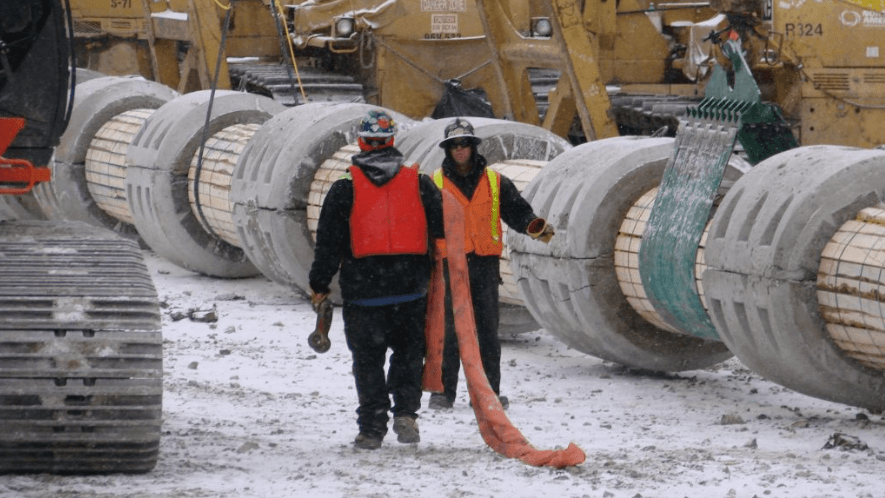
In the construction and maintenance of underwater and underground pipelines, ensuring stability is one of the most critical challenges. One effective solution widely used in the oil, gas, and water industries is the use of geotextile pipeline bag weight. These specialized bags, filled with sand or gravel, act as counterweights to keep pipelines firmly in place, even in harsh environmental conditions.
This article explores the importance, function, advantages, and applications of geotextile pipeline bag weight, highlighting why they are an essential component in modern pipeline systems.
Understanding Geotextile Pipeline Bag Weight
A geotextile pipeline bag weight is a specially designed fabric bag made from durable geotextile material, usually polypropylene or polyester. The bag is filled with sand, gravel, or other granular materials to provide weight and stability to pipelines laid underwater or underground.
These bags are installed over or alongside pipelines to prevent floating, shifting, or displacement caused by buoyant forces, flowing water, or soil movement. The use of geotextile material ensures that the bags are strong, flexible, and resistant to damage from environmental exposure.
See also: Importance of Weight Bags in Pipeline Stability
How Geotextile Bags Help Maintain Pipeline Stability
Pipelines submerged in water or buried underground are constantly exposed to forces that can cause them to move. These forces include buoyancy, water currents, waves, and ground pressure. The geotextile pipeline bag weight helps counter these forces by acting as an anchoring system.
When properly placed, the bags add sufficient weight to the pipeline, reducing uplift and lateral movement. This ensures that the pipeline remains stable in its designated position, maintaining flow efficiency and preventing potential leaks or damage.
Construction and Design Features
The design of geotextile pipeline bag weight is both practical and efficient. It typically consists of two or more compartments filled with granular material, allowing the bag to conform to the shape of the pipeline.
Key Features:
- Durable Material: Made from woven or non-woven geotextiles that resist tearing and degradation.
- Permeability: Allows controlled water drainage while retaining filling materials.
- Flexibility: Adapts to uneven surfaces and different pipeline diameters.
- Corrosion Resistance: Unlike metal weights, geotextile materials do not corrode over time.
- Ease of Handling: Lightweight before filling, making transportation and installation convenient.
These features make them an ideal alternative to traditional concrete weights.
Materials Used in Fabrication
Geotextile pipeline bag weight products are constructed using high-strength fabrics designed to withstand mechanical and environmental stress. Common materials include:
- Polypropylene (PP): Resistant to UV radiation, chemicals, and biological degradation.
- Polyester (PET): Offers high tensile strength and durability under tension.
- Non-Woven Geotextile Fabric: Provides filtration and drainage capabilities.
- Woven Geotextile Fabric: Offers higher load-bearing capacity and structural integrity.
The filling materials used inside the bags, such as sand or gravel, are chosen based on the required density and stability needs.
Advantages of Using Geotextile Pipeline Bag Weight
The adoption of geotextile pipeline bag weight solutions has significantly improved pipeline construction and maintenance. Below are some key advantages:
- Enhanced Stability: Provides effective counterweighting to prevent floating or movement.
- Cost-Effective: More affordable and easier to install compared to concrete weights.
- Environmentally Friendly: Made from non-toxic and reusable materials.
- Corrosion-Free: Unlike metal anchors, geotextile bags resist rust and corrosion.
- Easy Installation: Lightweight and flexible, requiring minimal heavy machinery.
- Adaptability: Suitable for a variety of soil and water conditions.
- Minimal Maintenance: Long lifespan and minimal wear even under challenging conditions.
These qualities make geotextile pipeline bag weight an efficient and sustainable solution for pipeline anchoring.
Applications in Various Industries
Geotextile pipeline bag weight is used across several sectors where pipelines are laid below or above water.
1. Oil and Gas Pipelines
In the oil and gas sector, these bags prevent pipeline geotextile pipeline bag weight movement in seabeds and river crossings. Their flexible design accommodates various diameters and terrains.
2. Water Supply and Drainage Systems
Municipal water pipelines laid in wetlands or near coastal areas benefit from added stability provided by these bags.
3. Subsea Cable Protection
Apart from pipelines, geotextile weights are also used to protect and stabilize underwater power and communication cables.
4. Environmental and Marine Engineering
Used in environmental restoration projects where pipeline anchoring is needed without harming the aquatic ecosystem.
5. Temporary Pipeline Installations
For projects requiring short-term pipeline stability, these bags provide an easy and removable solution.
Installation Process
Installing geotextile pipeline bag weight involves precise planning and execution to ensure stability and efficiency.
- Site Preparation: The area is cleared, and the pipeline is positioned.
- Bag Filling: Bags are filled with sand or gravel to achieve the required weight.
- Placement: The bags are strategically placed over or around the pipeline using cranes or manually for smaller systems.
- Inspection: Proper alignment and stability are checked to ensure no movement under water or soil pressure.
This simple yet effective process ensures a long-lasting anchoring system.
Comparison with Concrete Weight Coatings
Concrete coating has been a traditional method of stabilizing pipelines. However, the geotextile pipeline bag weight offers several advantages over concrete alternatives:
| Feature | Geotextile Bag Weight | Concrete Coating |
|---|---|---|
| Weight | Adjustable | Fixed |
| Installation | Easy and quick | Labor-intensive |
| Corrosion | None | Possible over time |
| Flexibility | High | Low |
| Environmental Impact | Low | High |
| Cost | Affordable | Expensive |
Clearly, geotextile pipeline bag weight is more efficient and adaptable, making it the preferred choice for modern pipeline projects.
Environmental Benefits
One of the standout features of geotextile pipeline bag weight is its minimal environmental impact. The materials used are environmentally safe and do not release harmful chemicals. Their use reduces the need for concrete manufacturing, which has a high carbon footprint. Additionally, these bags can be removed and reused in other projects, supporting sustainability and reducing waste.
Maintenance and Longevity
Properly installed geotextile pipeline bag weight systems can last for many years. Regular inspections help ensure that the bags remain intact and effective. Since the materials are resistant to rot, UV rays, and microbial attack, they require minimal maintenance even in harsh conditions.
Future Developments
With increasing emphasis on sustainable infrastructure, manufacturers are developing new geotextile materials with greater strength and environmental compatibility. Innovations include biodegradable fabrics, reinforced weaves, and integrated monitoring systems that track pipeline stability in real-time.
These advancements will make geotextile pipeline bag weight even more efficient and eco-friendly in the future.
Conclusion
Geotextile pipeline bag weight has revolutionized the way engineers stabilize pipelines. Its lightweight, durable, and environmentally friendly design provides a practical alternative to heavy concrete coatings. Whether used in underwater installations or unstable soil conditions, it ensures pipeline safety, longevity, and reliability.
As industries continue to seek sustainable and efficient engineering solutions, the use of geotextile pipeline bag weight will only continue to grow, shaping the future of modern infrastructure projects worldwide.