
A Tennessee Winter Changes What Your Water Heater Can Deliver
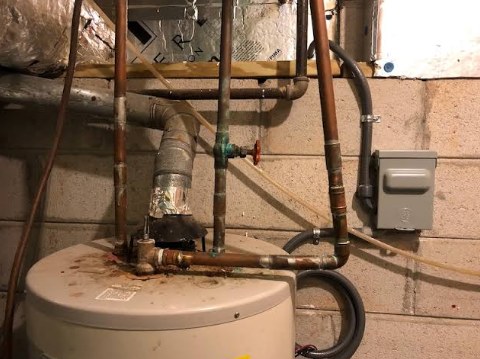
If the hot water got worse the same week the temperature dropped, the tank is probably fine and the water feeding it is not. Cold weather rarely breaks a healthy water heater. It changes the arithmetic that heater has to do, every hour, for four months. A family that just moved to Hermitage from somewhere that never freezes has no baseline for any of it, so the first bang out of the garage sounds like the end of the appliance. It usually isn’t. Most of what gets called in as water heater repair hermitage tn in January turns out to be sediment or a tired heating element, and sometimes nothing more than physics. The winter drop-off is a load problem far more often than it is a dead tank, and knowing which one you have is the difference between a service call and a replacement you did not need.
Colder Inlet Water Shrinks Every Shower
A water heater does not make hot water. It raises the temperature of whatever shows up at the cold inlet, and in Middle Tennessee that arriving water swings hard between August and February. Mains water sitting near 70 degrees in late summer can land in the upper 40s once a real cold spell settles over the region for a week. So the same 50 gallon tank that was lifting water about 50 degrees in September is lifting it roughly 70 in January to reach the same 120 degree setpoint. Nothing changed inside the tank. The work got about forty percent bigger.
That shows up as recovery time rather than as outright failure. Shower one is fine. Shower two, twenty minutes behind it, goes lukewarm halfway through, and the third person in line gets a cold rinse and an opinion about it. Stand that tank in an unheated garage, which is where a lot of 1990s Hermitage houses put it, and the heat bleeding off the jacket and the first few feet of bare copper widens the gap even further.
See also: Convenient Nutrition for Busy Lifestyles
Popping Rust And Slow Recovery Explained
Now the noises. Popping and knocking is sediment, meaning the calcium and fine sand that settled out of years of hard water and baked into a crust across the bottom of the tank, with trapped water flashing to steam underneath it. The case we see most often in a house from that era is a tank nobody ever flushed, with the lower element sitting buried in an inch of grit. That crust insulates the element from the water it is trying to heat, so the unit runs longer for less hot water and the noise gets louder every winter. Flushing it while the crust is still soft is a twenty minute job. Waiting three more years usually is not.
Rusty water is a different animal, and where it shows up tells you most of what you need. Hot side only, worst first thing in the morning, clearing after a minute or two of running: that points at the tank itself, generally a sacrificial anode rod that dissolved down to bare wire and left the steel to corrode on its own. Hot and cold together, all day long, and the problem is upstream in old galvanized supply lines instead. An anode rod costs very little compared to a tank, and swapping one at year six or seven is the cheapest maintenance a homeowner can buy.
On an electric tank, a burned out upper or lower element produces the same short-shower complaint by a completely different route, and it will not announce itself with any noise at all. Cut the breaker at the panel before you open an access cover, and test the terminals before your hand goes anywhere near them, because those elements run on 240 volts and the tank does not care that the switch on the wall is off. One rule carries no exceptions: never cap, plug, or block the temperature and pressure relief valve on the side of the tank. If that valve is discharging repeatedly, or the tank is bulging or leaking from the shell, shut off the power and the water supply and get a licensed plumber out the same day.
Is A Popping Water Heater Dangerous?
The popping itself is steam escaping a sediment layer, not a bomb going off. What it signals is a heater working harder than it should, which shortens the life of the element and the tank. Treat it as a maintenance flag rather than an emergency, unless it comes with a relief valve that keeps opening.
Should I Flush The Tank Myself?
On a tank flushed within the past couple of years, yes, with a garden hose and an afternoon. On one that has never been drained in fifteen years, a home flush often loosens debris that then jams the drain valve open and turns a chore into a flooded garage. If nobody has touched it since the house was built, let a plumber pull the first one.
Why Does My Hot Water Only Run Short In Winter?
Because the incoming water is colder, so every gallon needs more energy and more minutes to come up to temperature. The tank capacity did not change, but the refill is slower behind you. That is normal seasonal behavior, and it only becomes a repair when the recovery is far worse than the season alone explains.
Call Before The First Hard Freeze
October is the cheap month for all of this. The National Weather Service office in Nashville posts a free hourly forecast down to the zip code, and when the first night under 20 degrees appears on it, every plumber in Davidson County is already booked solid with frozen hose bibs and split supply lines. A flush, an anode check and a quick element test done ahead of that is an appointment you schedule. The same work in a January cold snap is an emergency you pay for.
If the tank is genuinely undersized for the household rather than just dirty, recovery rate is the number worth comparing, not gallons on the label. An April 2026 explainer from Apex Pros on how fast a tank actually reheats between demands argues that a standard gas heater recovers faster than an electric one, which makes gas the better fit for high-usage homes, and that fuel type and size together set the recovery time you live with. In an all-electric 1990s house, converting is not a small line item, so that comparison is worth having with a plumber before winter forces the decision for you. Nobody enjoys typing water heater repair hermitage tn into a phone at six in the morning with the water shut off and a freeze warning up. Get the tank looked at while the weather is still boring, and the first Tennessee winter stops being a mystery about the appliance and goes back to being a mystery about the weather.