Matte Green Rectangle Tiles vs Glossy Green Rectangle Tiles: Which Finish Survives High-Moisture Showers Better?
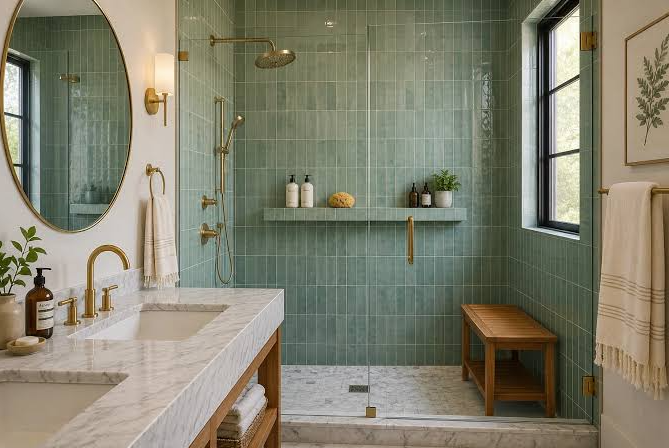
Planning a shower renovation often means weighing the look and performance of every finish in a space that’s exposed daily to water and steam. You might picture a wall of green tiles, but the decision between a matte finish and a glossy surface goes far beyond appearance. In a humid, wet environment like a shower, the finish you pick can affect not just the style but the longevity and ease of care for your walls. Both matte and glossy Green Rectangle Tiles promise a beautiful outcome, yet their differences in water resistance, cleaning, and slip potential could make one a better fit for your project. Understanding how each finish handles frequent moisture will help you choose a surface that looks great and lasts through years of use.
Comparing Matte and Glossy Green Rectangle Tiles for Wet Spaces
Showers push every surface to its limits, and the finish of your chosen tile can influence daily performance. Glossy green tiles are made by applying a glass-like coating during firing, resulting in a reflective, smooth surface that sheds water quickly. This slick finish allows water beads to run off the tile, reducing the risk of water stains and mineral buildup. Matte finishes, by contrast, undergo a different process to create a softer, less reflective surface that can absorb light and minimize glare.
Choosing between matte vs glossy Green Rectangle Tiles often comes down to the environment they’ll face. In high-moisture showers, the slick surface of glossy tile helps prevent water from lingering, while a matte tile’s subtle texture may hold onto droplets slightly longer. Understanding tile surface finishes for wet areas clarifies which options perform best in constant humidity.
For those prioritizing a spa-like ambiance, matte tiles offer a contemporary, understated look, while glossy tiles can brighten smaller showers by bouncing light around the space. Both finishes are available in green rectangle formats, allowing for consistency in pattern and layout regardless of your final choice.
Moisture Resistance and Porosity in Bathroom Wall Surfaces
Water resistance is a critical factor for any shower wall. Glossy green tiles generally have a denser, less porous surface due to their fired glaze, which acts as a barrier against water intrusion. This characteristic makes them less likely to absorb moisture or develop surface discoloration over time, which is ideal for steamy environments.
Matte green tiles, while still crafted for bathroom use, may exhibit slightly higher porosity depending on the specific manufacturing process. This subtle difference could mean more frequent cleaning to prevent soap scum or mildew from settling into micro-textures. Before installation, check if your chosen matte tile is rated as “impervious” or “vitreous”—terms that indicate high water resistance suitable for showers. More on tile porosity ratings for wet environments can help guide this decision.
Regardless of finish, always pair your wall tiles with a high-quality waterproof membrane behind the tile surface and use mold-resistant grout. This combination ensures that moisture doesn’t penetrate through joints or behind tiles, protecting both the finish and the wall structure beneath.
Maintenance Realities and Cleaning Green Tile Finishes
Ongoing care is a practical concern for any shower tile. Glossy finishes tend to show water spots, streaks, and fingerprints more readily due to their shine, especially in hard-water areas. Regular wiping with a squeegee after each shower helps keep the surface clear, and mild cleaners are generally safe for maintaining that glassy look.
Matte finishes, on the other hand, are more forgiving with respect to smudges and light residue but can be susceptible to soap scum or mineral buildup in textured areas. These tiles may require a soft-bristle brush to clean deep into the subtle surface variation, avoiding harsh chemicals that could dull the finish over time. For either finish, avoid abrasive pads to prevent scratching or wearing down the glaze.
Anyone considering Green Rectangle Tiles should plan for ongoing upkeep matched to the finish type. This tile format provides a modern, linear look that works with either finish, so the main maintenance difference will come from the surface, not the shape.
Making the Final Selection for Your Shower Renovation
The decision between matte vs glossy Green Rectangle Tiles should rest on both practical and visual priorities. If you’re after maximum water resistance and a luminous effect in your shower, glossy finishes are a reliable choice. Their slick surface not only repels water but can make a compact shower feel larger by reflecting available light.
For those who value subtlety, reduced glare, and a softer touch underhand, matte tiles create a contemporary effect that pairs well with natural stone or muted fixtures. It’s important to confirm whether the specific matte tile you select is rated for use in wet zones, as some decorative options are intended only for dry walls.
Think about the cleaning routine you’re willing to commit to. Glossy tiles may demand more frequent touch-ups to maintain a streak-free shine, while matte tiles may need a bit more effort to remove buildup from micro-textures. Factoring in tile maintenance for bathroom use ensures you’re prepared for the realities of day-to-day care.
Conclusion
Choose your shower finish by balancing moisture resistance, cleaning habits, and the style you want to achieve. When in doubt, request samples of both matte and glossy green tiles to see how each looks and feels in your own space. Testing the surfaces with a splash of water can reveal which finish will best survive your high-moisture shower for years to come.