Five Mistakes Landlords Make After A Squall Takes Shingles
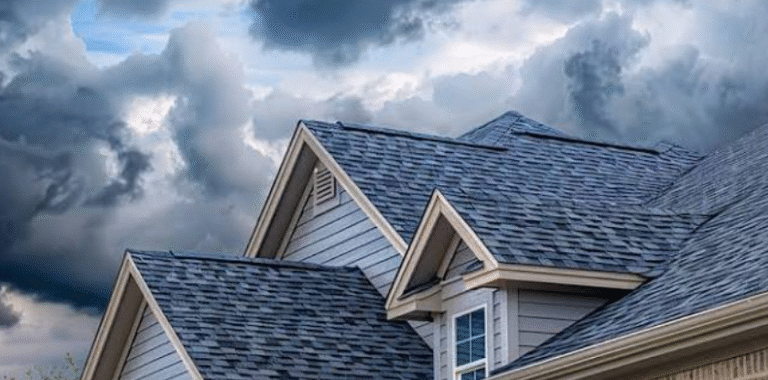
How fast does a three-tab gap turn into a two-room leak? Faster than most out-of-town landlords expect, and the day after a squall line clears is where that usually gets decided. The repair itself is small and cheap, and nearly everything that makes it expensive happens in the twenty-four hours before a roofer in north port fl ever sets a ladder against the fascia. Five mistakes account for most of the damage, and I have watched all five play out on one two-unit rental duplex in North Port while the owner sat in traffic on I-75 coming up from Fort Myers.
Tarping Blind Turns Three Tabs Into Thirty
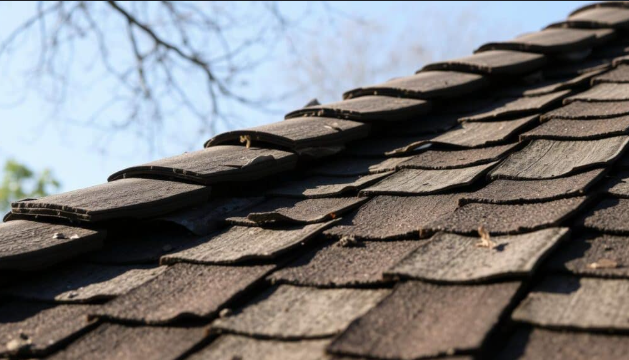
Mistake one is sending whoever is closest with a tarp and a staple gun. A tarp is a real tool and it belongs on a damaged roof, but it has to be anchored into something the wind cannot lift and run over the ridge so water sheds across it rather than pooling behind it. Staple it flat over sound shingles and you have just punched forty new holes in the part of the roof that was still working. Mistake two follows from that: nobody looks under the tarp for two weeks, so the actual failure, three lifted tabs at a rake edge, keeps drinking every afternoon shower. Water is patient. By the time the tenant in the back unit reports a brown ring on the ceiling, the deck under those tabs is soft, the felt is torn along a full course, and a job that would have been an hour on a ladder now needs sheathing and a section of shingles. The call we get most often after an August blow is not the roof that lost half its field; it is the roof that lost three tabs and got covered in a hurry.
Say the next part plainly, because a landlord two hours away is exactly the person who talks somebody into going up. Nobody climbs a storm-damaged roof, and that includes the handyman, the tenant and you. Decking that has taken on water can give way underfoot with no warning. If any line near the property is down or sagging, treat it as live, keep everyone away from it, and call the utility or 911 instead of working anywhere near it.
What I cannot tell you is how often a bad tarp is the thing that turns a repair into a replacement. Nobody tracks that number anywhere I can find. The insurer sees a claim total, we see a wet deck, and those two records never get compared.
See also: Convenient Nutrition for Busy Lifestyles
Skipping Documentation Costs More Than The Repair
Mistake three is having no record of what the roof looked like on the morning after. Photos from the ground with a phone, dated, cost nothing and are worth more three months later than anyone expects. Do not go up to get them yourself, and do not send an uninsured helper up either. Have them taken from the ground or by a licensed crew that already works at height, because OSHA requires fall protection in construction whenever a worker is exposed to a fall of 6 feet or more to a lower level, and falls remain the leading cause of construction fatalities. A roofer with a drone and a harness can hand you a photo report the same afternoon, and around here most crews include one with the estimate.
For the storm itself, NOAA’s Storm Events Database is free and public, and it will tell you what the wind actually did in your county on that date. Pair that with your own dated photos and you have a timeline nobody has to take your word for. Policy language differs and so do state rules, so read yours or ask your carrier what it wants documented before you need it rather than after. A roofer in North Port FL who works with adjusters every week can usually tell you what a photo report ought to contain, which is a different question from what any given policy owes you.
Book Someone Local Before The Next Cell Arrives
Mistake four is waiting. Owners sit on a repair because they have heard that fixing something early weakens a claim, and meanwhile the next line of storms in a Gulf Coast summer is often two days out. Reasonable temporary protection and a documented record generally coexist fine, but the specifics live in your policy and in your state, so confirm it with your carrier instead of guessing from a forum post. A repair made before the next rain costs less than the same repair made after it. On that duplex, three tabs and a proper temporary cover would have been a morning of work; the ceiling in the back bedroom was not.
Mistake five is handing the work to whoever knocked on the door first. After a big blow, crews roll in from three states away, take the easy jobs, and are gone by October. When something opens up in January the number on the invoice is disconnected and the warranty is a piece of paper with no company behind it. An outfit with a local yard, a permit history and a crew on payroll can come back, and it can get to you inside a day when radar looks bad. The National Roofing Contractors Association still says the dull thing in guidance it updated in April 2026, that a roof deserves a proper look at least twice a year, once in spring and once in fall, and that habit is what keeps small storm damage small.
None of this is complicated work. Three lifted tabs at a rake edge is an hour for somebody who reads the damage before covering it, and it stays an hour as long as nobody staples a tarp across the good shingles first. Get pictures from the ground and get the storm date on paper. Keep every untrained person off the roof. Then call a crew that will still exist in six months, and the squall costs you a morning instead of a ceiling and a rent-free unit.