The Summer Pressure Drop That Traced Back To 1984 Pipe
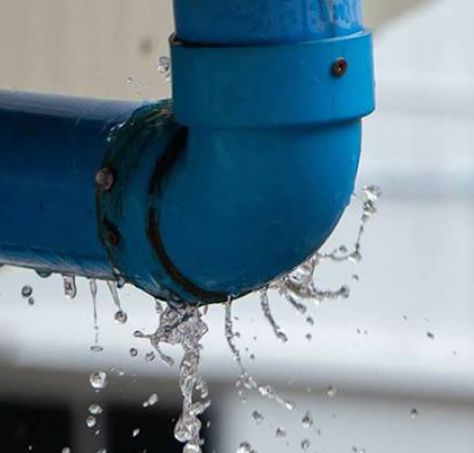
When the top floor of a small condo building loses water pressure on a busy July weekend and holds it fine on a quiet Tuesday in February, the cause is usually inside the building and not out at the city main. That is the short answer, and it is the one a volunteer board almost never hears first. The board of a twelve unit bayfront building spent two summers trading theories at monthly meetings: the town, the booster pump, the tourists, the fixtures in 4B. Nobody had measured anything, and unmeasured theories get expensive.
What ended the argument was a single day of testing. Boards on the shore usually get there by calling the same plumbing company ocean city md property owners keep on hand for burst supply lines, then asking for diagnostics instead of another patch. Gauges on each riser, a pressure log running through a Saturday, and an acoustic sweep under the lobby slab produced an answer in about thirty hours.
Every Unit Blamed The City Main First
The main is the comfortable suspect because it belongs to somebody else. Ruling it out is also close to free: the utility can confirm distribution pressure in the neighborhood, and a gauge on an exterior hose bib shows what arrives at the property line before any of the building’s own pipe touches it. In the buildings we have picked apart, the case that turns up most often is one corroded riser serving the stack that complains, while the rest of the system tests normal. Boards hate that answer, because it means the repair is theirs.
Occupancy explains the seasonality. In February maybe four of the twelve units are occupied and three fixtures run at once. On the first Saturday in July every unit is full, half of them have guests, and a dozen fixtures pull at the same time between eight and ten in the morning. Pipe that passes a light load fails a heavy one, which is why the complaint arrives with the tourists and leaves with them.
Galvanized Risers Fail From The Inside Out
A building framed in 1984 was very likely plumbed in galvanized steel, and galvanized steel has a service clock. The zinc coating is sacrificial, it wears away in use, and the bare steel underneath grows rust nodules that narrow the bore from within. A three quarter inch riser can end up with an effective opening closer to three eighths after four decades, while the outside of the pipe still looks sound in the parking level ceiling. Galvanized pipe rots politely, from the inside, where nobody looks.
The hot side usually goes first, and that turns a pressure problem into a scald problem. If the cold supply to a shower collapses while the hot side holds, the water at the head climbs in seconds, and no shower should depend on balanced supply pressure to stay safe. An August 2026 article in Plumbing & Mechanical Magazine describes ASSE 1017 as the standard for mixing valves that blend hot and cold water to deliver safe temperatures at building fixtures and provide scald protection. Ask whichever plumbing company Ocean City MD boards are interviewing whether valves meeting that standard sit in the scope of work, and get the answer in writing before the first wall opens.
One Weekend Of Testing Found The Floor
Ten years ago, finding this meant opening drywall in three closets and hoping the third one was informative. The work looks different now. Recording gauges go on each riser and stay through a full demand cycle, an acoustic correlator listens for the hiss of a pinhole under the slab, a thermal camera traces the hot line through finished ceilings, and a water main locator confirms where the service actually runs before anybody digs. The trade did not get smarter about pipe, it got much better at listening to it.
The top floor was never the problem. The hot riser feeding it was.
In this building the numbers came out plain. Static pressure at the property line held near sixty two psi all weekend, so the town was cleared by Saturday lunch. Inside, a third floor bathroom read forty eight psi static and dropped to fourteen with two showers and a dishwasher running, while the cold line in the same unit barely moved. One stack was choking. Three were fine.
The Repipe Timeline The Board Actually Got
A targeted repipe is a schedule rather than an event, and boards do better when they can tell owners what each week holds. In the first week the contractor scoped one stack, photographed every access point, and built a unit by unit access calendar, which matters more than the pipe when half the owners live three states away. By week three the permit was issued and material was staged downstairs. Each stack then took two working days with the water off, roughly seven in the morning to four in the afternoon, one hose bib left live for the building.
By the end of month two all four stacks carried new pipe. Then came the part nobody budgets for emotionally: patching, primer, two coats, and the argument over who picks the paint. I could write a whole piece on how condo color votes go, and I will spare you. Within ninety days the building had finished walls, a documented pressure test on every stack, and a fresh baseline log so the next complaint could be measured against something real.
See also: Transforming Business Efficiency Through Outsourced Payroll Solutions
Reserve Money Beats Emergency Money
Say the association carries a nine thousand dollar plumbing line in its annual reserve. Two seasons of weekend emergency calls, after hours rates, water damage in a downstairs unit and a pair of hopeful fixture swaps can eat that line without fixing anything, because none of it touched the pipe that was failing. Measuring the system before replacing any part of it costs less than repeating emergency repairs on pipe nobody has diagnosed, and that is the whole argument. Whether a riser counts as common element or unit property depends on the association’s own documents and on state condominium law, so read both before promising an owner anything. The board that gets this right spends a few hundred dollars on gauges and a log before it spends thousands on guesses.