Understanding Tools Used in Sheet Metal Bending
Introduction
In the world of metal fabrication, achieving precise and consistent bends is a vital aspect of producing high-quality components. Press brakes are the machines responsible for performing these bends, and their performance greatly depends on the type and quality of tools used. The combination of punches and dies determines the bending accuracy, shape, and final appearance of a product. Understanding how press brake tooling works is essential for operators and manufacturers who aim to maintain accuracy, efficiency, and durability in production.
Importance of Proper Tooling in Fabrication
The efficiency of any bending operation relies on selecting the correct tools. Each tool is designed for a specific type of bend, material thickness, and angle. Incorrect tool selection can lead to material cracking, inaccurate bends, or even damage to the machine. By choosing suitable tools, manufacturers can ensure that bending forces are evenly distributed and the metal deformation is controlled. This results in clean bends, reduced waste, and enhanced repeatability across multiple production runs.
Components of a Press Brake Tooling System
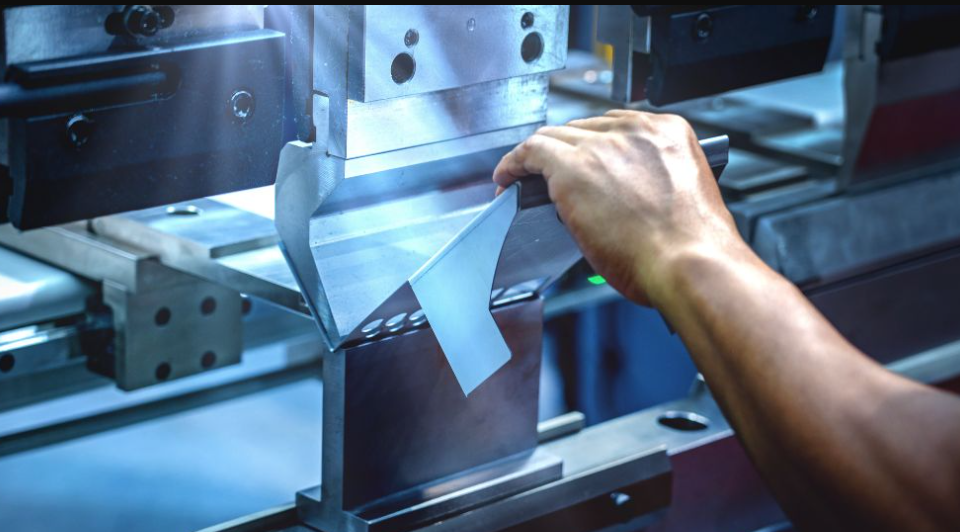
A press brake’s tooling system consists mainly of two parts — the punch and the die.
- Punch: The punch is the upper tool that descends onto the workpiece to apply force. It determines the shape of the bend and can vary in profile depending on the application.
- Die: The die is the lower tool that supports the material and defines the bend’s angle and radius. Different die openings are used based on material thickness and desired bending angle.
Together, these components determine press brake tooling the outcome of the bending process. Operators must ensure proper alignment and secure installation of these tools before starting any operation.
See also: Top Benefits of Installing a Concrete Seawall on Your Waterfront Property
Types of Punches Used in Bending
Punches come in various shapes and sizes to produce different types of bends. Some of the common types include:
- Straight Punch: Used for general-purpose air bending applications.
- Gooseneck Punch: Designed for complex bends or forms that require clearance for previously bent flanges.
- Acute Angle Punch: Suitable for producing sharp bends of less than 90 degrees.
- Radius Punch: Used to form bends with a specific radius, ideal for materials that cannot withstand sharp bending.
- Hemming Punch: Utilized in conjunction with special dies to fold sheet edges flat for safety or assembly purposes.
Selecting the correct punch type ensures that the desired bend angle and shape are achieved without material damage.
Common Die Types and Their Functions
Dies are available in multiple designs, each serving a particular function in bending operations. Some commonly used dies include:
- V-Dies: The most frequently used type, where the sheet metal is bent into a V-shaped cavity. The die opening width determines the bend radius.
- U-Dies: Used for producing U-shaped channels and profiles.
- Acute Angle Dies: Designed for creating angles smaller than 90 degrees.
- Hemming Dies: Paired with hemming punches to flatten sheet edges.
- Offset Dies: Create Z-shaped bends or offsets in one operation.
Choosing the correct die type and size directly impacts the accuracy of the bend and the surface finish of the final product.
Materials Used in Tool Manufacturing
The quality of press brake tooling depends significantly on the materials used in its construction. The most common materials include:
- Tool Steel: Offers excellent hardness and wear resistance, suitable for heavy-duty operations.
- Hardened Steel: Provides durability and long life under high-pressure conditions.
- Carbide: Known for its toughness and precision in fine bending tasks.
- Aluminum: Used for lightweight applications where minimal wear is expected.
High-quality tools reduce deformation, maintain consistent accuracy, and require less frequent maintenance.
Tool Alignment and Maintenance
Proper tool alignment is critical to achieving accurate and consistent bends. Misalignment between the punch and die can cause uneven bending or even tool breakage. Before each operation, the operator should check for proper alignment, cleanliness, and secure clamping of the tools.
Regular maintenance, including cleaning and inspection for wear, ensures the longevity of the tooling system. Dull or damaged edges must be repaired or replaced promptly to maintain bending quality. Using protective lubricants can also reduce friction and extend tool life.
Influence of Tooling on Bend Accuracy
The precision of a bend is largely determined by the geometry and condition of the tools. If the die opening or punch radius is incorrect, the bend angle may deviate from the intended design. Moreover, worn-out tools can lead to inconsistent results across different parts.
By using high-precision press brake tooling, manufacturers can achieve consistent bend angles, reduce rework, and maintain tight tolerances in large-scale production. This directly enhances productivity and cost-efficiency in fabrication operations.
Modern Tooling Innovations
Technological advancements have significantly improved press brake tooling. Modern tools are now made using advanced hardening processes that increase wear resistance. Quick-change tooling systems have been introduced to minimize setup time, allowing operators to switch tools within minutes.
Additionally, CNC-controlled press brakes can automatically adjust for tool dimensions, reducing manual errors. Some advanced systems even use hydraulic clamping and laser alignment for maximum precision. These innovations contribute to higher efficiency and reduced downtime in production environments.
Safety Considerations in Tool Handling
Safety should always be prioritized when handling press brake tools. The tools are typically heavy and must be handled with care to prevent injury or machine damage. Operators should always wear appropriate protective equipment and use lifting devices when necessary.
Proper storage also plays an important role in safety and longevity. Tools should be kept in designated racks or cases to prevent rusting and accidental damage. Maintaining a clean and organized workspace enhances safety and ensures smooth workflow.
Benefits of Quality Tooling
Investing in high-quality tooling brings long-term advantages to manufacturers. Some key benefits include:
- Improved Accuracy: Ensures consistent bend results across large batches.
- Longer Tool Life: Reduces replacement costs and downtime.
- Enhanced Productivity: Faster setup and reduced rework increase overall efficiency.
- Better Surface Finish: Prevents scratches or marks on delicate materials.
- Operational Safety: Reduces the risk of tool breakage or misalignment accidents.
By selecting the right press brake tooling, manufacturers can achieve high production standards and maintain profitability.
Applications in Modern Industries
Press brakes and their tooling are essential in numerous industries. They are used for creating components in automotive manufacturing, aerospace, construction, and appliance production. Every product requiring sheet metal shaping relies on precise tooling to ensure the right geometry and fit.
In sectors where tight tolerances and high-quality finishes are mandatory, such as aircraft manufacturing, the choice of tooling becomes even more critical. Using advanced tools ensures compliance with industry standards and customer specifications.
Conclusion
Tooling plays an indispensable role in the performance and outcome of sheet metal bending operations. A deep understanding of press brake tooling helps operators select the right combination of punches and dies, maintain accuracy, and enhance productivity. From traditional tool designs to advanced quick-change systems, the evolution of tooling technology continues to shape the efficiency of modern fabrication.
Selecting the right tools, maintaining them properly, and applying them correctly not only ensures consistent bending quality but also extends the life of both the tooling and the machine itself. Ultimately, success in sheet metal fabrication begins with precision, and precision begins with the right tooling.