Enhancing Metal Fabrication Precision with Modern Tools
Introduction
Precision is the backbone of metal fabrication. For industries ranging from automotive to aerospace, achieving exact dimensions and angles is vital. One key component that helps operators maintain consistency and accuracy in bending operations is the press brake back gauge. This device ensures that sheet metal is positioned correctly, enabling precise, repeatable bends. Understanding its function, advantages, and proper usage can significantly improve manufacturing efficiency.
What Is a Press Brake Back Gauge?
A press brake back gauge is a mechanical or CNC-controlled device positioned behind the sheet metal during bending. Its primary role is to define the exact position where the metal will be bent. By controlling the placement of the material, it reduces errors and ensures uniformity, especially when producing multiple identical components.
Modern back gauges can move in multiple axes, allowing complex positioning for angled bends, offset bends, and combination forms. They are essential for both manual and automated operations, providing a reliable reference point for consistent production.
Types of Back Gauges
Back gauges come in several types depending on their control and application:
Manual Back Gauges
These require the operator to adjust positions physically. While less expensive, they are prone to human error and are best suited for low-volume production.
CNC Back Gauges
Controlled via a digital interface, CNC back gauges provide precise positioning across multiple axes. They are ideal for high-volume production and complex bend patterns.
Multi-Axis Back Gauges
Some advanced machines feature 4-axis or 6-axis back gauges. These allow intricate bends, off-center folds, and variable angles in a single setup, reducing the need for multiple setups.
Benefits of Using a Back Gauge
Utilizing a press brake back gauge provides numerous advantages:
Consistency and Accuracy
By providing a fixed reference point, the back gauge ensures each bend is identical, reducing scrap and rework.
Increased Production Efficiency
Operators spend less time measuring and repositioning materials manually. Automation with CNC back gauges further accelerates production.
Reduced Material Waste
Accurate positioning minimizes mistakes, preventing wasted sheets due to incorrect bends.
Enhanced Safety
Back gauges reduce the need for manual handling, lowering the risk of operator injury during bending operations.
Versatility
Adjustable back gauges can accommodate different sheet sizes, thicknesses, and materials, making them suitable for diverse applications.
See also: Tech!Espresso: Your Trusted Partner for Immediate On-Site Computer Repairs
Applications in Industry
Back gauges are essential in multiple sectors:
Automotive Manufacturing
Components like brackets, panels, and frames require precise angles and consistent bends. Back gauges ensure accuracy across high-volume production.
Aerospace Fabrication
Precision is critical in aerospace applications. Back gauges allow operators to maintain strict tolerances for structural components and lightweight panels.
Construction and Architecture
Structural elements and decorative panels benefit from precise, repeatable bends. Back gauges reduce errors in large-scale construction projects.
Consumer Goods
Household appliances, electronic housings, and metal furniture often require complex bends that benefit from the accuracy of a back gauge.
Factors Affecting Performance
Several factors influence how effectively a back gauge performs:
- Material Thickness: Thicker sheets require appropriate positioning and pressure to maintain accuracy.
- Machine Alignment: Proper alignment of the press brake ensures the back gauge functions correctly.
- Operator Skill: Experienced operators can maximize the advantages of a back gauge.
- Maintenance: Regular inspection and lubrication prevent mechanical issues and ensure consistent performance.
- CNC Programming: Accurate programming ensures repeatable bends for complex shapes.
Best Practices for Using a Back Gauge
To achieve optimal results, operators should follow these guidelines:
- Verify alignment and calibration before starting production.
- Program CNC back gauges for multi-step bends to minimize repositioning.
- Regularly clean and lubricate moving parts.
- Train operators in proper setup and adjustment techniques.
- Monitor bend angles and adjust gauge positioning as needed during production runs.
Technological Advancements
The latest press brake back gauges incorporate advanced technology to improve precision and efficiency:
- Adaptive Control: Adjusts positioning automatically based on real-time feedback.
- Touchscreen Interfaces: Simplify programming and reduce setup time.
- Multi-Axis Automation: Enables complex bending operations in a single setup.
- Integration with CAD/CAM Systems: Directly translates design specifications into gauge positions.
- Predictive Maintenance: Sensors detect wear or misalignment, preventing errors and downtime.
Economic Benefits
Investing in a high-quality back gauge yields financial advantages:
- Lower Scrap Rates: Accurate bends reduce material waste.
- Faster Production: Automated positioning decreases cycle times.
- Consistent Quality: Reduces rework and customer complaints.
- Extended Tool Life: Correct positioning minimizes stress on dies and tooling.
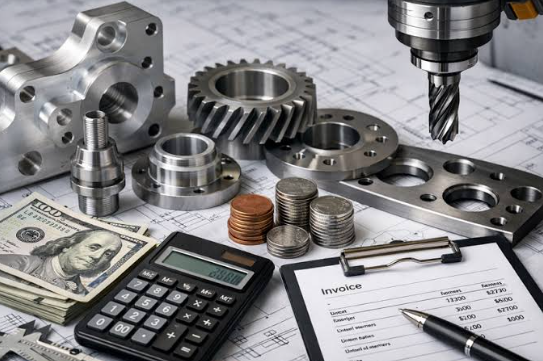
These factors contribute to a more efficient and cost-effective fabrication process.
Conclusion
The press brake back gauge is a vital component in modern metal fabrication, ensuring accuracy, repeatability, and efficiency. By understanding its types, benefits, and best practices, manufacturers can optimize production, reduce waste, and achieve high-quality results. As technology continues to advance, back gauges will become increasingly integral to automated, precise, and versatile bending operations.