Lithium Battery UPS: The Future of Reliable Power Backup
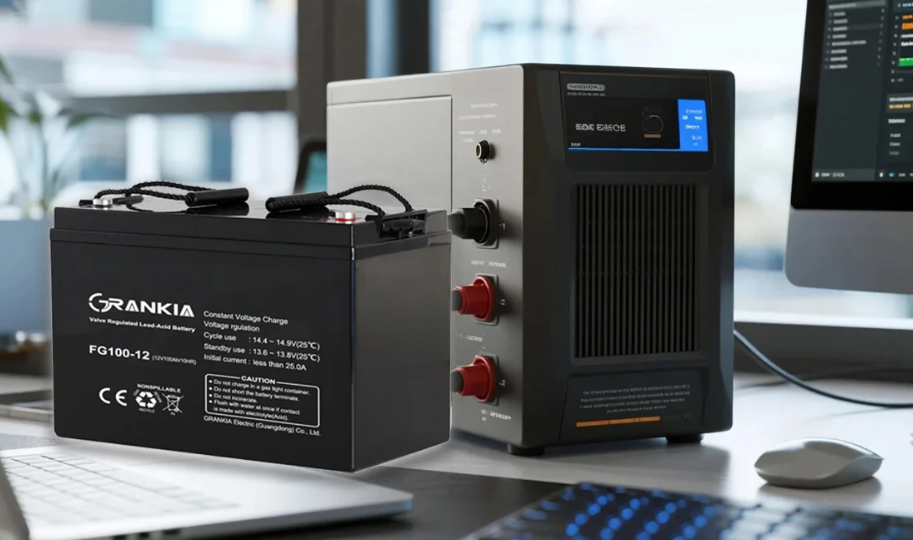
In today’s fast-paced digital world, uninterrupted power supply is no longer a luxury—it is a necessity. Industries, businesses, and even households increasingly rely on electronic devices and systems that cannot afford downtime. This is where a lithium battery UPS comes into play, offering a dependable, efficient, and long-lasting solution for power backup needs.
What is a Lithium Battery UPS?
A lithium battery UPS (Uninterruptible Power Supply) is an advanced power backup system that uses lithium-ion batteries instead of traditional lead-acid batteries. These UPS systems are designed to provide immediate power supply during electricity outages, protecting sensitive equipment such as computers, servers, medical devices, and industrial machinery from unexpected shutdowns or damage.
Unlike conventional UPS systems that rely on bulky lead-acid batteries, lithium battery UPS units are compact, lightweight, and highly efficient. Their superior technology ensures faster charging, longer lifespan, and higher energy density, making them ideal for modern energy demands.
See also: How Home Automation Transforms Luxury Living Spaces
Advantages of Lithium Battery UPS
- Longer Lifespan
Lithium-ion batteries can last up to 10 years, significantly outlasting traditional lead-acid batteries, which usually last 3–5 years. This reduces the frequency of replacements and maintenance costs. - Faster Charging
Lithium battery UPS units charge much faster compared to lead-acid UPS systems. In some cases, they can reach full charge in just a few hours, ensuring your system is always ready for emergencies. - Lightweight and Compact
Lithium batteries are significantly lighter than lead-acid batteries, making installation and maintenance easier. Their compact design also allows for more flexible placement, even in tight spaces. - Higher Efficiency
Lithium battery UPS systems have higher energy efficiency, reducing power wastage and operational costs. They also maintain a stable voltage output, protecting connected equipment from power fluctuations. - Eco-Friendly
Lithium batteries are more environmentally friendly since they produce less hazardous waste compared to lead-acid batteries. Additionally, their longer lifespan reduces overall battery disposal frequency. - Enhanced Safety
Modern lithium UPS systems come with advanced protection mechanisms such as overcharge, over-discharge, and short-circuit protection, ensuring safe operation in all conditions.
Applications of Lithium Battery UPS
Lithium battery UPS systems are versatile and used across various sectors:
- Home and Office: Protects personal computers, Wi-Fi routers, home theaters, and small appliances.
- Data Centers: Ensures uninterrupted server operation, preventing data loss and downtime.
- Healthcare: Supports critical medical equipment like ventilators, monitors, and diagnostic devices.
- Industrial Use: Maintains operation of machinery and production lines during power outages.
- Telecommunication: Powers communication towers and networking equipment for consistent connectivity.
Factors to Consider When Choosing a Lithium Battery UPS
- Capacity and Load: Choose a UPS that can handle your equipment’s total power requirement.
- Backup Time: Determine how long you need the UPS to provide power during an outage.
- Input/Output Voltage Compatibility: Ensure the UPS matches your electrical system’s voltage and frequency.
- Brand and Warranty: Opt for a trusted brand that provides a good warranty and after-sales service.
- Maintenance and Monitoring: Some models offer smart monitoring features for battery health and performance.
Maintenance Tips for Lithium Battery UPS
Even though lithium battery UPS systems are low-maintenance, following these tips can extend their lifespan:
- Keep the UPS in a cool, dry environment.
- Avoid deep discharges; recharge the battery regularly.
- Clean dust and debris from the UPS vents and casing.
- Perform periodic system checks to ensure proper functioning.
FAQs about Lithium Battery UPS
Q1: How long does a lithium battery UPS last?
A lithium battery UPS can last 7–10 years, depending on usage and maintenance.
Q2: Are lithium battery UPS systems safe?
Yes, modern lithium UPS units are equipped with multiple safety features, including protection against overcharging, overheating, and short circuits.
Q3: Can lithium UPS replace lead-acid UPS?
Absolutely. Lithium battery UPS systems are superior in terms of lifespan, efficiency, and size, making them an ideal replacement for lead-acid UPS.
Q4: How long does it take to charge a lithium battery UPS?
Typically, lithium battery UPS units take 2–6 hours to fully charge, which is much faster than lead-acid alternatives.
Q5: Are lithium battery UPS units eco-friendly?
Yes. They produce less toxic waste and have a longer lifespan, making them a greener option compared to lead-acid batteries.
Conclusion
A lithium battery UPS is a game-changer in the world of power backup solutions. Combining efficiency, longevity, and safety, it ensures uninterrupted power supply for homes, businesses, and critical industries. With faster charging, lighter weight, and eco-friendly design, these UPS systems represent the future of reliable energy management. Investing in a lithium battery UPS not only protects your devices but also saves time, money, and stress in the long run.