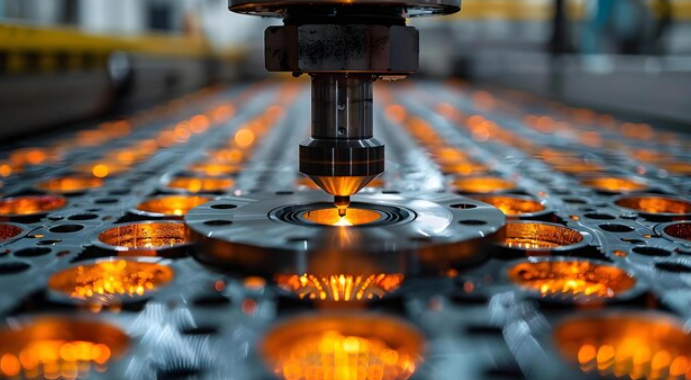
How Precision Bending Supports Modern Manufacturing
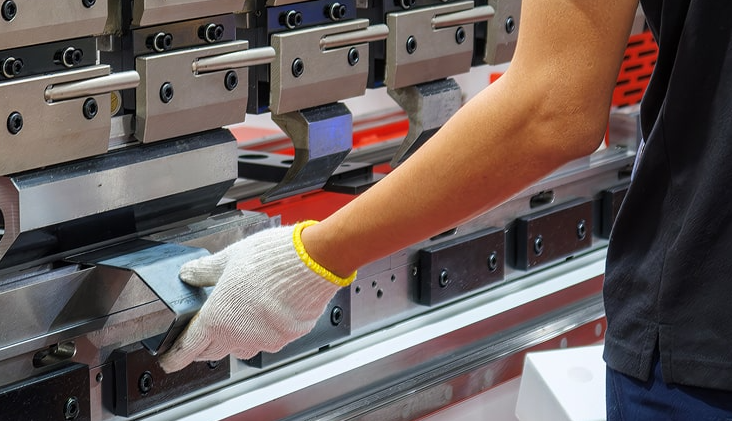
Introduction to Industrial Metal Bending
Modern manufacturing depends heavily on precise metal forming techniques. Among these, bending is one of the most important processes, allowing flat metal sheets to be shaped into functional components. From large factories to small fabrication workshops, accurate bending ensures parts meet design requirements and perform reliably in real-world applications. As product standards continue to rise, manufacturers rely on advanced bending systems to maintain quality, consistency, and efficiency.
Importance of Controlled Bending Processes
Controlled bending ensures that metal components maintain their strength while achieving the required shape. Uncontrolled or inaccurate bends can weaken material structure, create alignment issues, or lead to part failure during use. A press brake provides controlled force and repeatable motion, allowing manufacturers to produce precise bends while protecting material integrity.
How Bending Accuracy Impacts Production
Accuracy in bending affects every stage of production. Correctly bent parts fit better during assembly, reduce the need for adjustments, and improve overall workflow efficiency. Accurate bending also minimizes material waste, as fewer parts are rejected due to dimensional errors. This directly contributes to lower production costs and improved output quality.
Role in Structural Component Manufacturing
Structural components require precise angles and consistent dimensions to ensure stability. Beams, brackets, frames, and supports must be accurately formed to handle load requirements. Using a press brake allows manufacturers to create these components with uniform quality, supporting safe and reliable construction across various industries.
Contribution to Industrial Equipment Production
Industrial machinery consists of numerous metal parts that must align perfectly. Panels, housings, mounts, and protective covers are often created through bending processes. Consistent bending ensures that equipment parts fit together correctly, improving machine performance and reducing maintenance issues over time.
Support for Custom Fabrication Projects
Custom fabrication often involves unique designs, limited quantities, and strict tolerances. Manual methods struggle to deliver consistent results for such projects. A press brake offers the flexibility required for custom work, allowing operators to adjust settings based on material type, thickness, and bend angle. This adaptability is essential for prototype development and specialized manufacturing.
Enhancing Productivity in Manufacturing Facilities
Productivity is a major concern in modern manufacturing. Efficient bending processes help reduce production time and increase output. Automated bending systems allow quick setup changes and repeatable results, enabling manufacturers to handle multiple jobs without long delays.
See also: Tech!Espresso: Your Trusted Partner for Immediate On-Site Computer Repairs
Processing a Wide Range of Materials
Manufacturers work with various materials depending on application requirements. Common materials include steel, stainless steel, aluminum, and specialty alloys. Advanced bending systems can handle these materials by adjusting force and tooling, making them suitable for diverse production needs.
Improving Workplace Safety
Safety is a critical aspect of any manufacturing operation. Modern bending equipment is designed with safety features that protect operators from injury. By reducing manual handling and providing controlled motion, a press brake helps create a safer working environment while maintaining high productivity levels.
Importance of Skilled Operation
While modern bending systems are highly capable, skilled operators are essential for achieving optimal results. Operators must understand material behavior, tooling selection, and machine settings. Proper training ensures that machines are used efficiently and safely, while also extending their operational lifespan.
Maintenance and Operational Reliability
Regular maintenance is essential for consistent performance. Routine inspections, lubrication, and timely repairs prevent unexpected breakdowns and reduce downtime. Reliable equipment ensures uninterrupted production and maintains consistent quality over long periods.
Integration With Digital Manufacturing
Digital control systems have transformed bending operations. Operators can program precise bend sequences, store job parameters, and monitor machine performance in real time. These features reduce human error, improve accuracy, and support data-driven manufacturing decisions.
Cost Efficiency and Long-Term Value
Accurate bending reduces scrap material, rework, and delays. Producing correct parts on the first attempt lowers operational costs and improves delivery timelines. Over time, efficient bending operations provide strong return on investment and support sustainable business growth.
Supporting Sustainable Manufacturing Practices
Efficient bending processes help reduce energy consumption and material waste. Modern systems are designed to use power more effectively while maintaining performance. This efficiency aligns with industry efforts to reduce environmental impact and adopt sustainable manufacturing practices.
Role in Quality Assurance
Quality assurance depends on consistency and repeatability. Accurate bending ensures that each component meets design specifications and passes inspection standards. Reliable bending systems help manufacturers maintain high quality across production batches, strengthening customer trust.
Adaptability to Changing Production Needs
Manufacturing requirements often change due to new designs or market demands. Flexible bending systems allow quick adjustments without extensive reconfiguration.
This adaptability enables manufacturers to respond quickly to new opportunities and remain competitive.
Preparing for Future Manufacturing Trends
As automation and smart manufacturing continue to grow, bending technology is evolving alongside them. Integration with production software and predictive maintenance systems will further enhance efficiency.
These advancements will help manufacturers achieve higher precision, lower costs, and improved reliability.
Conclusion
Precision bending is a cornerstone of modern manufacturing, supporting a wide range of industries and applications. Advanced bending systems provide accuracy, efficiency, and flexibility, making them essential tools for both custom and large-scale production. By understanding their role and benefits, manufacturers can improve product quality, reduce costs, and build a strong foundation for long-term success.